
- TOURS
- Safari
- Kilimanjaro
- Beach Holiday
- BLOG

- WE ACCEPT

Tanzania is a country brimming with opportunities for students and researchers, offering a unique combination of natural beauty, rich cultural diversity, and significant scientific and academic potential. Therefore, Tanzania should be at the top of the list for anyone looking to conduct meaningful research or pursue academic studies.
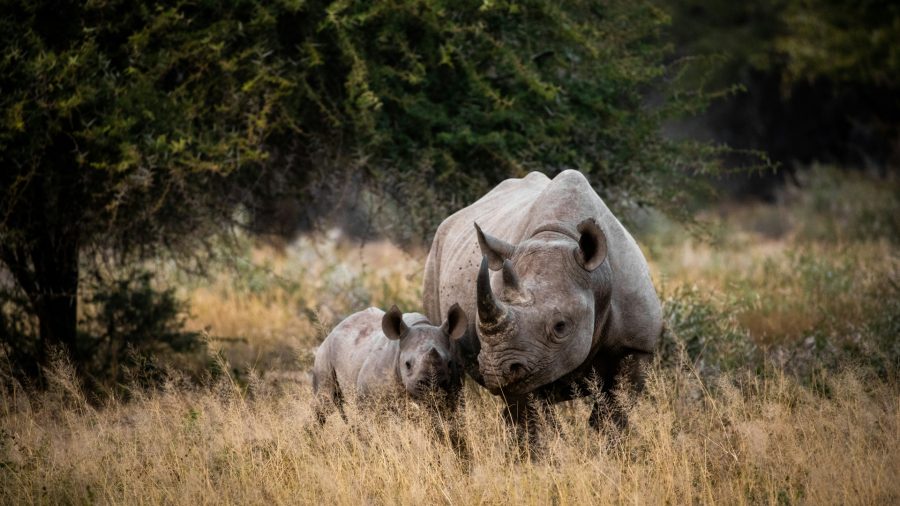
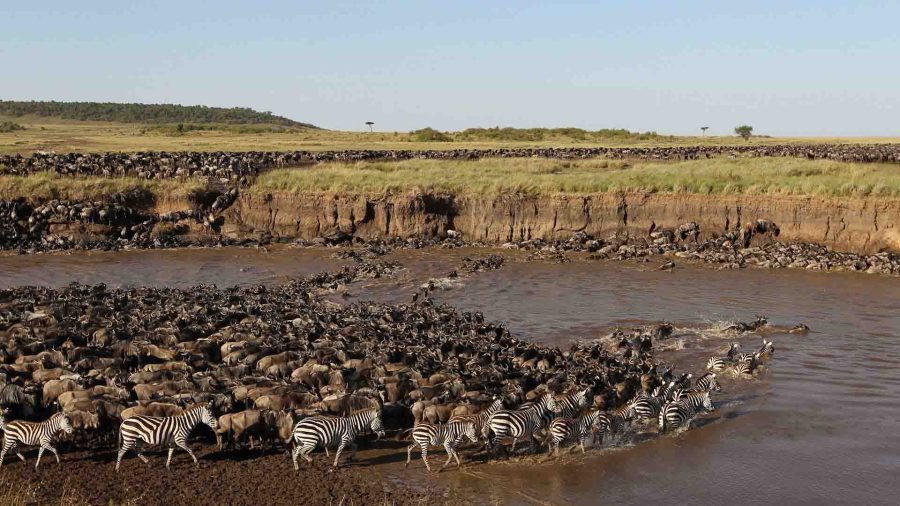
Firstly, Tanzania is one of the most biodiverse countries in the world, home to a vast array of ecosystems, from the plains of the Serengeti to the coral reefs of Zanzibar. For this reason, students and researchers in fields such as biology, ecology, environmental science, and conservation will find Tanzania offers unparalleled opportunities to study wildlife, plant species, and natural habitats. Specifically, the Serengeti, Ngorongoro Crater, and other national parks provide living laboratories for studying animal behavior, migration patterns, and ecosystem dynamics, making it a premier destination for ecological research.
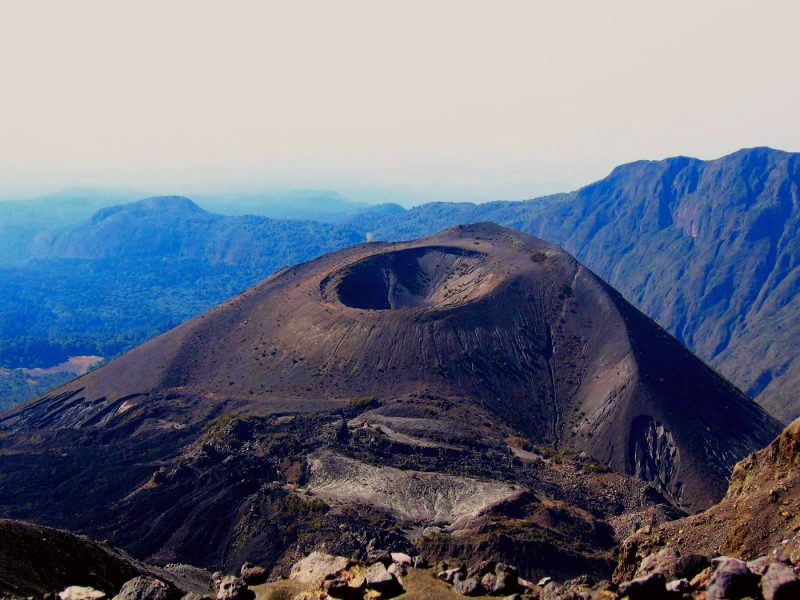
In addition, Tanzania is a treasure trove for geologists and paleontologists. Notably, the country is home to some of the world’s most important fossil sites, such as Olduvai Gorge, where some of the earliest human remains were discovered, providing crucial insights into human evolution. Moreover, the Ngorongoro-Lengai UNESCO Global Geopark is another significant site, offering opportunities to study volcanic activity and geological formations. Thus, researchers interested in Earth’s history, tectonics, and human evolution will find Tanzania’s geological landscape rich with research potential.
Furthermore, with over 120 ethnic groups, Tanzania is a melting pot of cultures, languages, and traditions. Consequently, this cultural diversity makes it an ideal location for anthropological and sociological studies. For instance, students and researchers can engage with communities such as the Maasai, Hadza, and Chagga to study traditional practices, social structures, and the impact of modernization. In particular, the Swahili culture along the coast, with its blend of African, Arab, and Indian influences, offers further avenues for research into cultural exchanges, language, and history.
Additionally, Tanzania faces a range of public health challenges, including infectious diseases like malaria, HIV/AIDS, and tuberculosis, as well as non-communicable diseases. This is why Tanzania is a critical location for health and medical research. As such, researchers and students in fields such as epidemiology, public health, and medicine can contribute to understanding disease patterns, testing interventions, and improving healthcare delivery. Thus, Tanzania’s diverse population and healthcare needs offer a valuable context for studies aimed at improving global health.
Moreover, as a developing nation with growing environmental pressures, Tanzania presents a fertile ground for research in sustainable development, environmental management, and conservation. For instance, researchers can explore topics such as the impacts of climate change, the balance between conservation and development, and the management of natural resources. Importantly, projects in Tanzania often have the potential to make a real-world impact, contributing to sustainable practices that benefit both local communities and the global environment.
Beyond that, Tanzania is home to several reputable universities and research institutions that collaborate with international organizations, providing a supportive environment for academic and research activities. Notably, institutions like the University of Dar es Salaam, Sokoine University of Agriculture, and the Nelson Mandela African Institute of Science and Technology offer programs and partnerships that attract students and researchers from around the world. Furthermore, these institutions often facilitate fieldwork, provide access to local expertise, and support cross-disciplinary studies.
Lastly, Tanzania’s well-developed infrastructure and relatively safe environment make it accessible for fieldwork across a wide range of locations, from remote rural areas to bustling urban centers. Therefore, whether studying marine biology in Zanzibar, conducting agricultural research in the fertile highlands, or exploring urban development in Dar es Salaam, Tanzania provides the logistical support needed for diverse research endeavors.
Don’t wait contact us now and hear back from our safari experts within 24 hours.
WhatsApp us